Sideways and Profitable: A Trader's Tactical Guide to Navigating Crypto Consolidation Zones
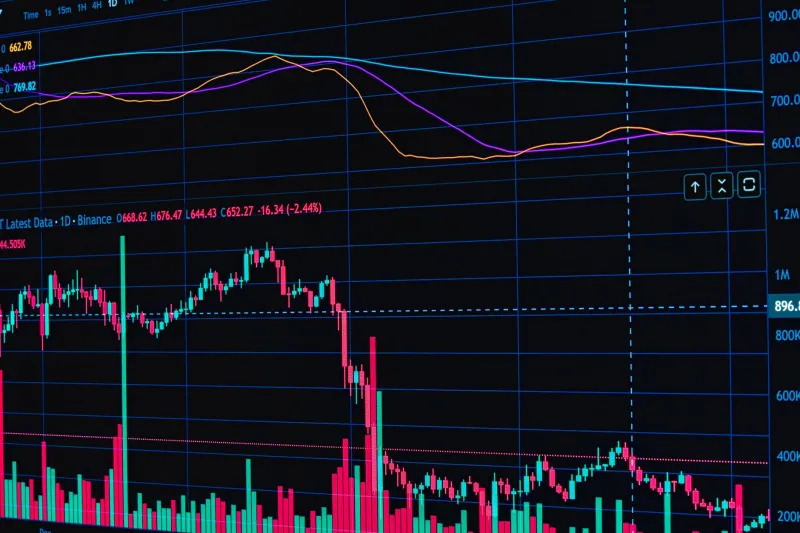
Crypto markets have a reputation for explosive moves—triple-digit gains in a matter of days, catastrophic drawdowns that erase months of progress. But between those dramatic headlines, markets do something far less glamorous and far more instructive: they consolidate. Prices flatten. Volume contracts. Social media grows quiet. And most retail traders, bored or anxious, make their worst decisions.
At King88 Group, we believe that how you trade the chop is just as important as how you trade the trend. Consolidation phases are not dead zones—they are preparation zones. Understanding them is the difference between being shaken out of a winning position and ruling the next breakout.
What Is Crypto Consolidation, and Why Does It Happen?
Consolidation occurs when an asset trades within a defined price range after a significant move up or down. Buyers and sellers reach a temporary equilibrium. Neither side has enough conviction to push price decisively in one direction, so the market oscillates between a support floor and a resistance ceiling.
In crypto, consolidation often follows parabolic rallies or sharp corrections. Bitcoin, for instance, has historically entered multi-week consolidation rectangles after major price discoveries—such as the prolonged sideways trading between $28,000 and $32,000 in mid-2023 before the ETF-driven surge later that year. Ethereum has displayed similar behavior after major network upgrades, with price action compressing before resolving sharply in one direction.
This behavior is not random. Consolidation represents institutional accumulation or distribution, smart money quietly building or exiting positions while retail participants grow impatient.
Recognizing the Patterns Before the Crowd Does
Not all sideways markets are created equal. Experienced traders distinguish between several consolidation structures, each carrying different probabilistic outcomes.
The Rectangle (Horizontal Channel): Price bounces between clearly defined horizontal support and resistance. This is the most readable pattern and the most common in crypto. When volume contracts during the range and then spikes on a candle close above resistance, the breakout is typically legitimate.
The Symmetrical Triangle: Higher lows and lower highs converge toward an apex. This pattern signals a market in decision mode—neither bulls nor bears are winning. The breakout direction is statistically unpredictable, making it a pattern that demands caution rather than conviction.
The Bull Flag: A sharp upward move followed by a tight, orderly pullback on declining volume. This is arguably the most powerful consolidation pattern because the prior trend context provides directional bias. Traders who recognize a bull flag early can enter with a tight stop and position for continuation.
The Accumulation Base: A prolonged, low-volatility range that follows a major correction. This pattern, associated with Wyckoff methodology, suggests institutional buyers are quietly loading positions. Breakouts from accumulation bases tend to be sustained and significant.
The key to reading all of these patterns is volume. Price alone tells an incomplete story. Volume confirms conviction.
A Risk Management Framework for Range-Bound Trading
Trading within a consolidation range requires a fundamentally different mindset than trend trading. The objective shifts from riding momentum to harvesting mean reversion.
Define your range precisely. Use at least two confirmed touches on both support and resistance before treating a level as valid. A single touch is a data point; multiple touches establish a zone.
Scale your position size down. Range-bound markets carry a higher probability of false breakouts—moves that pierce a level briefly before reversing. Smaller position sizes protect capital while still allowing participation.
Set hard stops outside the range. If price closes convincingly beyond your defined boundary, the range has failed. Exiting quickly preserves capital for the real breakout trade.
Target the midpoint first. When entering at support, take partial profits at the midpoint of the range rather than waiting for resistance. This locks in gains and reduces emotional pressure.
Use limit orders, not market orders. In thin, choppy markets, slippage compounds quickly. Limit orders placed at defined levels give you execution discipline and better average prices.
The Psychology of the Chop: Avoiding FOMO in a Quiet Market
The psychological toll of consolidation is underestimated by most traders. When price action is boring, the temptation to chase action elsewhere becomes powerful. Traders scroll through social media, see altcoins pumping, and abandon their carefully planned positions to chase momentum in unfamiliar assets.
This is precisely where accounts are damaged most—not during violent sell-offs, but during quiet markets that breed impatience.
Establish a pre-trade checklist that you complete before any entry during consolidation. Ask yourself: Does this trade fit my defined range parameters? Is my stop placement logical? Am I entering because of analysis or because I am bored? That last question alone will save you from a significant percentage of losing trades.
Journaling is equally valuable. Documenting your reasoning before each trade and reviewing outcomes afterward builds the self-awareness that separates disciplined traders from reactive ones.
Positioning for the Breakout Before It Happens
The most profitable moment in a consolidation pattern is the breakout—but only if you are already positioned or have a clear plan for entry. Chasing a breakout candle after a 10% move has already occurred is a common and costly mistake.
Instead, consider a staged entry strategy. Place a small initial position within the range to establish exposure. Set a secondary buy order just above resistance with a confirmation trigger—such as a 4-hour candle close above the level. This approach captures the move without requiring perfect timing.
Also monitor on-chain data during consolidation periods. Rising exchange outflows, increasing wallet accumulation among large holders, and declining funding rates on perpetual futures are all signals that a bullish breakout may be building beneath the surface.
The King88 Group Approach to Market Uncertainty
Consolidation is not the enemy of profit—it is the foundation of the next major move. The traders who thrive at King88 Group are those who use quiet markets to sharpen their analysis, tighten their risk frameworks, and prepare their entries rather than abandoning their strategies for the next trending narrative.
When the breakout arrives—and it always does—the prepared trader is already positioned. Everyone else is still reading the headline.
Trade bold. Manage smart. Rule the chain.